Can a Generator Get Wet? Safety Tips You Must Know
Introduction
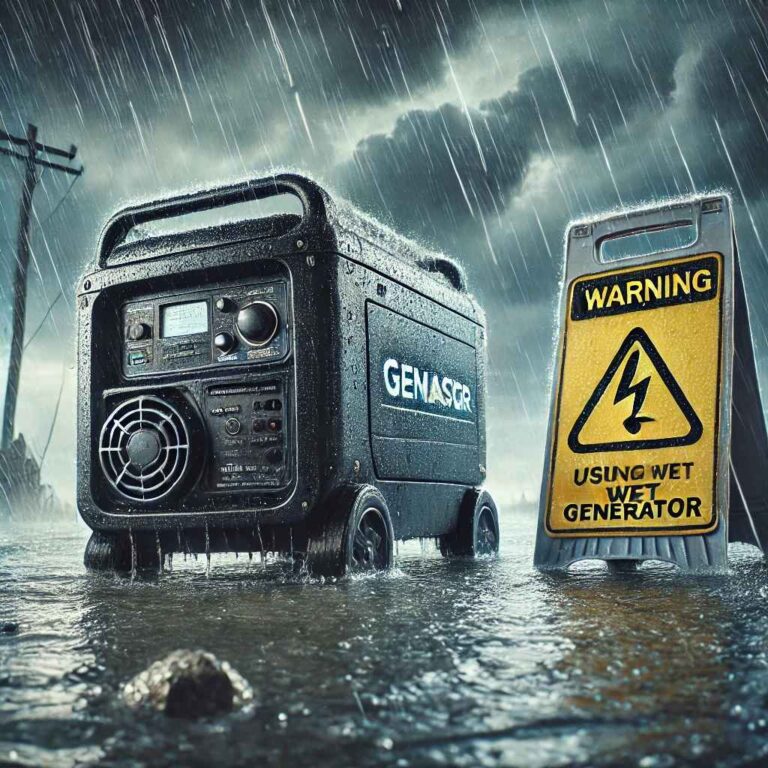
Generators are lifesavers during unexpected power outages, but using them comes with a serious responsibility: safety. One of the most common questions people ask is, “Can a generator get wet?” The simple answer is no—a generator should never be exposed to rain, snow, or standing water. Since a generator works by producing electricity, mixing it with water can be extremely dangerous.
In this guide, we’ll cover everything you need to know about keeping your generator safe, the risks of water exposure, and how to protect your machine during bad weather.
Generators are essential backup power sources, but many homeowners often wonder, Can a generator get wet when it rains? Since most generators are designed to run outdoors, exposure to water can become a real safety concern. The truth is that moisture and electricity don’t mix well—rain, snow, or even damp conditions can put both your generator and your safety at risk.
Understanding how a generator reacts when exposed to water is the first step in learning how to operate it safely during emergencies. In this article, we’ll break down the risks, precautions, and best practices you should know before running your generator outdoors.
The short answer is No, a generator should not get wet.Water can cause short circuits or electric shocks.Moisture can damage internal components.Always keep it dry and use it under a cover or shelter.
Why Generator Safety Matters
Generators provide backup power during emergencies, but they also carry risks if not handled correctly. Improper use can lead to electrocution, fire hazards, or even carbon monoxide poisoning. That’s why following safety rules is so important.
The Risks of Water and Electricity Together
Electricity and water are a dangerous combination. Even a small amount of water can damage internal components of a generator, create sparks, or result in severe electric shocks.
can a portable generator get wet ?
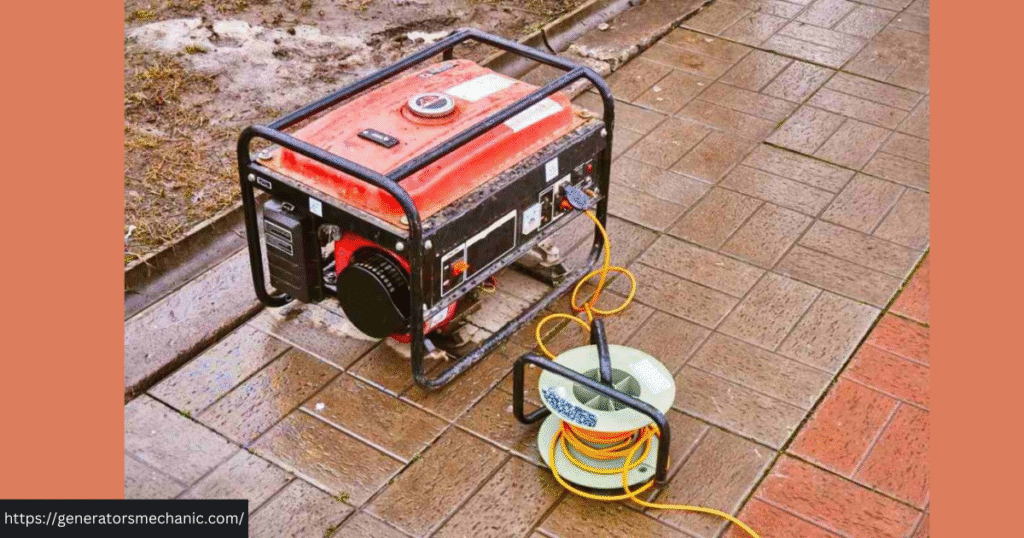
Generators are built to handle power, not water. When a generator gets wet, the risk of short circuits, electrocution, and long-term damage increases significantly. That’s why experts strongly advise against exposing it directly to rain or moisture.
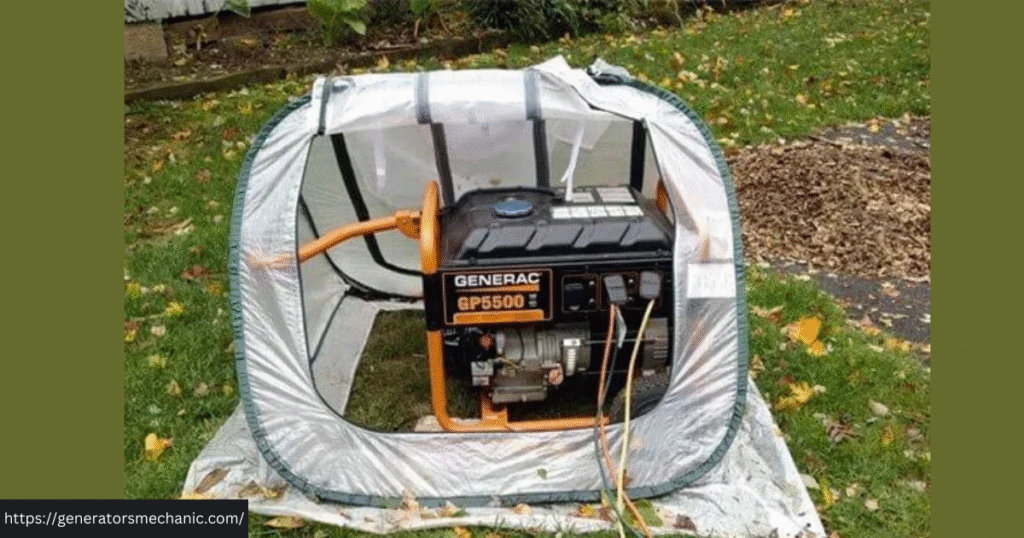
If you’re wondering how to cover a generator in rain, the safest solution is to use a specially designed generator tent, canopy, or enclosure.
These covers allow proper airflow for ventilation while keeping rainwater away from sensitive electrical parts. Simply putting a plastic sheet on top is not safe, as it can trap heat and cause overheating. Protecting your generator properly ensures not only the machine’s longer life but also the safety of your home and family.
What Happens If a Generator Gets Wet
If a generator gets wet, the water can damage sensitive electrical circuits, corrode metal parts, and even cause the generator to short-circuit. In worst cases, it could completely ruin the machine.
Dangers of Running a Generator in the Rain
Running a generator in wet conditions is one of the most dangerous mistakes a person can make. Water can cause live wires to spark, increasing the risk of electrocution and fire hazards.
Why Manufacturers Warn Against Water Exposure
Generator manufacturers always include strong warnings against using their products in the rain or snow. Ignoring these warnings doesn’t just void warranties—it puts your safety at risk.
Safety Precautions for Using Generators Outdoors
When using a generator outdoors, safety should always be your top priority. Generators are powerful machines, but also vulnerable to weather conditions like rain, snow, and high humidity. One common concern people have is: Can a generator get wet overnight? The truth is, leaving a generator exposed to moisture can be dangerous. Water can seep into its electrical components, leading to short circuits, power failure, or even fire hazards.
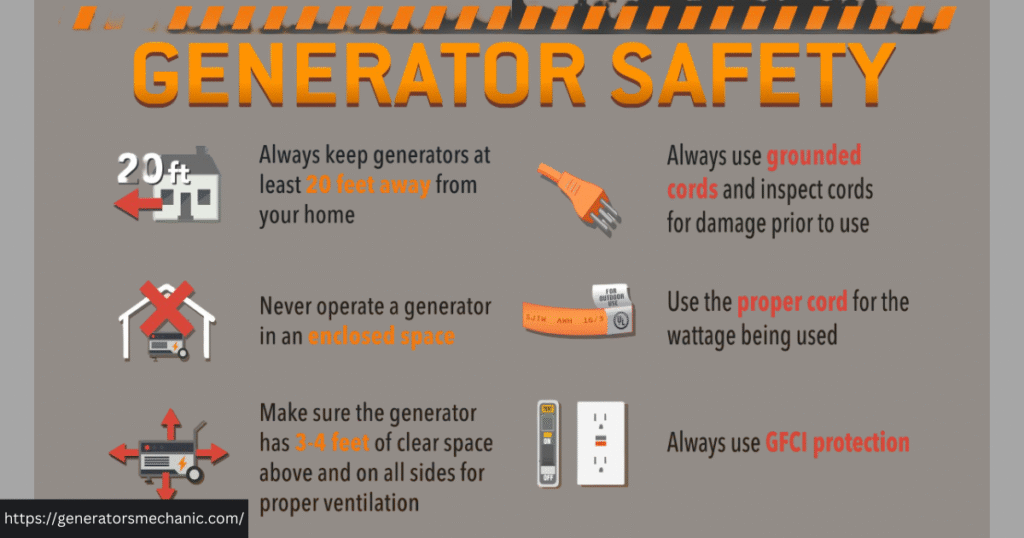
To prevent such risks, always place your generator in a dry, sheltered area. If you must run it overnight, make sure it’s under a canopy or a specially designed generator cover that allows airflow while keeping rain and dew away. Also, elevate the generator off the ground to avoid contact with standing water. By taking these simple precautions, you ensure not only the long-term performance of your generator but also the safety of your home and family.
Keeping Your Generator Dry During Rain
Never run a generator directly in the open during heavy rain. Always ensure it is placed under cover or inside a protective structure.
Using Generator Covers and Enclosures
Weatherproof covers and generator enclosures are specifically designed to keep your unit dry while still allowing proper airflow. These are affordable, easy-to-use, and one of the safest options.
Safe Distance from Flood-Prone Areas
Make sure your generator is kept at least a few inches above ground level to avoid floodwater contact. Also, never run it in basements or areas prone to water collection.
Can You Run a Generator in the Rain With Protection?
Running a generator in the rain without any cover is risky, but with the right protection, it can be done safely. One of the most effective solutions is using a generator tent, which is specially designed to keep your generator dry while still allowing proper airflow.
Unlike plastic sheets or homemade covers, a generator tent provides ventilation, preventing overheating and allowing exhaust gases to escape safely.
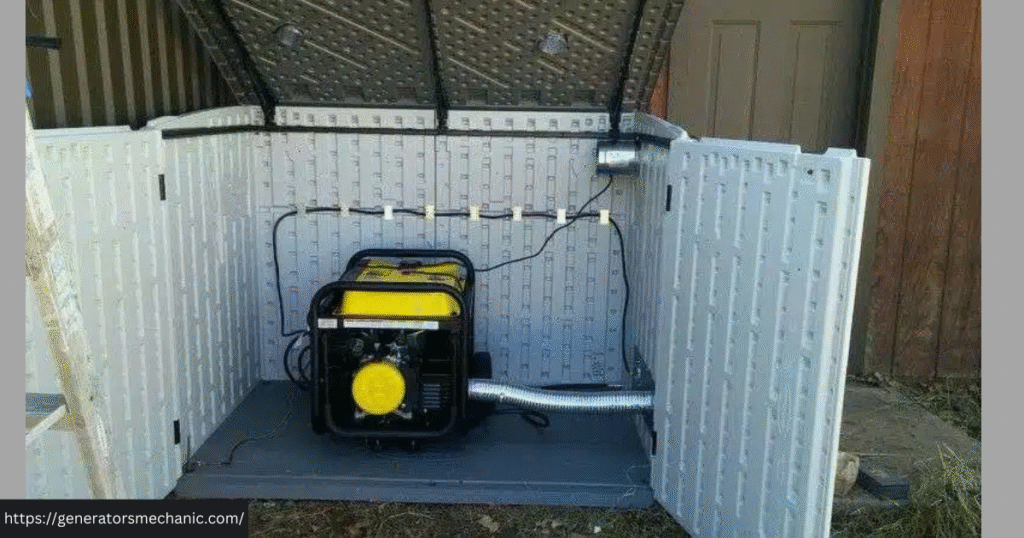
By using this type of protection, you can continue to power your home or appliances during storms without worrying about water damage or electrical hazards.
However, it’s important to choose a tent made for your specific generator model to ensure a snug fit and maximum safety. With the right setup, running a generator in the rain becomes much safer and more reliable.
Weatherproof Tents and Shelters
Special generator tents and shelters allow safe use in rainy conditions. They are built with durable, water-resistant material and provide ventilation so the generator doesn’t overheat.
DIY Methods vs Professional Covers
While some people try using plastic sheets or tarps, these can be unsafe as they might restrict airflow. Professional covers and shelters are designed with ventilation in mind and are always the better choice.
Ventilation and Carbon Monoxide Concerns
Even when using a cover, always place your generator outdoors and away from doors and windows. Carbon monoxide buildup is silent and deadly, so proper ventilation is critical.
What to Do If Your Generator Gets Wet
If your generator accidentally gets wet, the most important step is to turn it off immediately and avoid using it until it is completely dry. Running a wet generator can cause electrical short circuits, shock hazards, or even permanent engine damage.
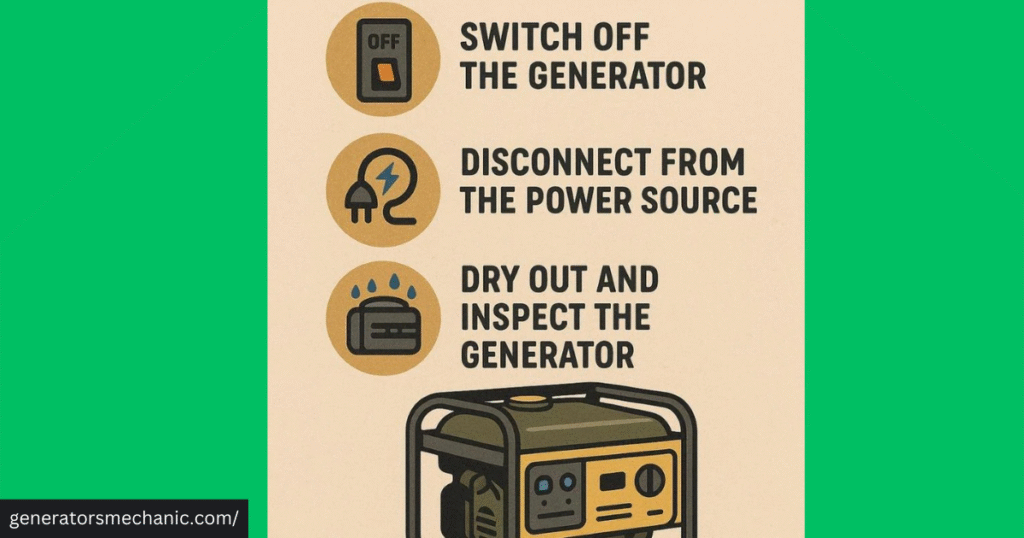
Once switched off, place the unit in a dry and well-ventilated space so the moisture can evaporate naturally. For extra safety, you can use a blower or cloth to speed up the drying process, but never restart the machine until you are sure all internal and external parts are dry.
To prevent this problem in the future, investing in a generator cover is highly recommended. A weather-resistant cover or a protective enclosure keeps the generator safe from rain, snow, and excess moisture while still allowing proper airflow. This not only increases the generator’s lifespan but also ensures it’s always ready to perform during emergencies without the risk of damage.
Immediate Steps to Take
If your generator accidentally gets wet, turn it off immediately and disconnect it from any power sources. Never try to restart it while it’s wet.
Checking for Damage Before Restarting
Let the generator dry completely. If possible, use a dry cloth or blower to remove excess moisture. Never rush the process—it must be thoroughly dry.
When to Call a Professional
If you suspect water has entered the engine or electrical system, contact a professional technician. Running a wet generator can permanently damage it or put your life at risk.
Tips for Long-Term Generator Safety
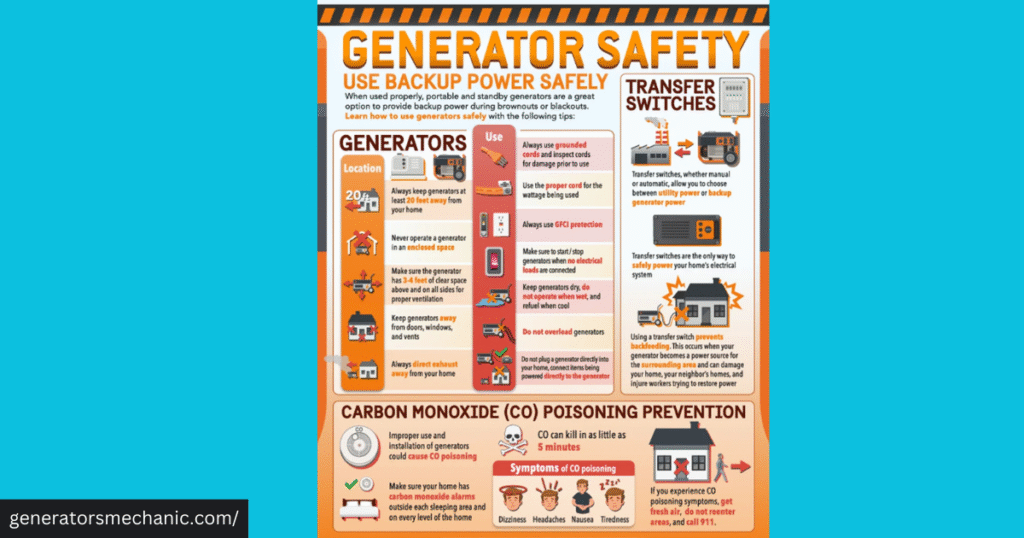
When it comes to long-term use, protecting your generator is just as important as maintaining it. One common concern many people have is “can a generator get wet?”, and the simple answer is no—it should never be exposed directly to rain, snow, or heavy moisture. Keeping your generator dry is essential for preventing electrical hazards, corrosion, and engine damage.
To ensure long-lasting performance, always place your generator in a well-ventilated but sheltered spot. Using weatherproof covers or specially designed generator tents is a smart investment that keeps it safe without blocking airflow. Regularly check for any signs of rust, wear, or moisture build-up, and make it a habit to run your generator at least once a month to keep the engine parts lubricated and functional. By following these precautions, you’ll extend the life of your generator and guarantee that it’s ready whenever you need backup power.
Routine Maintenance and Inspection
Regularly check your generator for rust, damaged wires, or any signs of wear. A well-maintained unit will not only last longer but also operate safely.
Proper Storage When Not in Use
Store your generator in a dry, cool place when it’s not being used. Keeping it covered prevents dust, dirt, and unexpected moisture from damaging it.
Training Family Members on Generator Safety
Make sure everyone in your household knows the basic rules: never touch the generator with wet hands, never use it indoors, and always keep it dry.
Final Thoughts
So, can a generator get wet? The answer is a clear no. Water exposure can damage your machine, create fire hazards, or even result in serious injuries. If you need to use a generator in bad weather, invest in proper covers, enclosures, or tents that provide both safety and ventilation.
Generators are valuable tools during power outages, but their safe use is what truly makes them worth the investment. Always follow manufacturer instructions, keep your unit dry, and prioritize safety above convenience.
FAQs:
Can a generator get wet while running?
No, running a generator while wet is unsafe. Moisture can cause short circuits, electrical shock, or permanent damage to the unit.
Can I run a generator in the rain if it’s covered?
Yes, but only if you use a generator tent or canopy designed for ventilation and rain protection. Never cover it with plastic sheets directly.
What should I do if my generator gets wet?
Immediately turn it off, let it dry completely, and inspect for moisture damage before restarting.
Can I use a generator during storms?
Yes, but place it in a dry, well-ventilated area with proper shelter. Never expose it directly to heavy rain or flooding.
What’s the safest way to protect a generator outdoors?
Use a generator cover, canopy, or enclosure made for weather protection while ensuring proper airflow.
Will it hurt a generator if it gets wet?
Generators should not be exposed to moisture, as this can harm internal parts and lead to safety hazards due to a heightened risk of electric shocks. If you intend to utilize a portable generator or if your standby generator is kept outdoors, it is advisable to use a protective cover.
Is it okay for my generator to get rained on?
Moreover, allowing your generator to become wet is not recommended, regardless of whether it is in operation or not. For safety purposes, no power equipment, whether used indoors or outdoors, should come into contact with water.
Although there may be references to rain-resistant generators, experts strongly advise maintaining any unit in a dry condition to avert incidents such as electrical shocks.
How to dry out a generator?
To dry out a generator, first disconnect it, inspect for any water, and then proceed with air drying, desiccants, or compressed air—exercise caution! It is essential to prevent electric shocks, damaged circuits, and a generator that wheezes instead of whirrs.
Can I cover a generator with a tarp?
Avoid compromising your safety by taking shortcuts. Never cover a running generator with a tarp, regardless of how light the rain may be. If you require protection, utilize a product specifically designed for this purpose. Ensure that airflow remains unobstructed, fumes are directed away, and materials are fire-resistant.
How to fix a wet generator?
Draining Water from the Engine Oil Sump and Fuel Tank of Your Generator. Should water infiltrate the oil or fuel, it is imperative to drain them immediately. Additionally, replace the oil filter and fuel filter during this process. Once water is mixed in, the generator will not operate smoothly until the contaminants are removed.
Does a generator need to stay dry?
Maintain the generator in a dry state. Refrain from using it in rainy or wet conditions, and avoid touching it with wet hands. Shield it from moisture by operating on a dry surface beneath a structure resembling an open canopy.
What happens if water gets into your generator?
If water infiltrates the engine, it may lead to corrosion and damage, or even cause the engine to seize completely. Water can also harm switchboards, wiring, and other electrical components. Moisture can diminish the efficiency of a generator and heighten the risk of electrocution.